Begin with the room you share
Imagine settling into bed with a familiar audiobook while someone beside you prefers quiet. A bedside audio purchase has to suit both listeners, the available surface, and the habits that follow. Start by deciding whether sound should fill the room or stay personal. Then ask whether you listen while sitting up and put the equipment away, or expect to fall asleep without touching it again. Those are different jobs. This guide focuses on a calmer device routine and practical buying decisions; it does not promise improved sleep or treat a listening product as a health intervention.
Try the simplest source first
If you already have a phone or speaker that plays the content you want, test a short evening routine before buying dedicated equipment. Download an episode where supported if an unreliable connection regularly interrupts playback. Put the controls within easy reach but away from a spot where a glass can spill. Choose an ordinary stopping point rather than letting an endless queue decide how long playback continues. The first useful improvement may be changing an app setting or moving a device. A new speaker becomes worthwhile when it solves a specific control, placement, or shared-room problem.
A timer is a feature worth verifying
Sonos publishes instructions for a sleep timer that stops playback after a selected duration. Apple's HomePod mini pages provide a separate speaker-system option for compatible Apple households. These sources support checking the controls and ecosystem rather than assuming every speaker offers identical bedtime behavior. Confirm that the exact app and service you plan to use have the timer function you need. Test the stopping behavior during the day so you are not troubleshooting it in bed. A timer that is easy to set repeatedly can be more valuable for this routine than another sound-processing option.
Choose a speaker for control and placement
A small speaker can suit someone who does not want to wear anything while winding down, provided the sound is acceptable to everyone in the room. Check the footprint and power cable route. Place it on a stable surface and follow the maker's ventilation and placement instructions. Avoid a spot where bedding can cover it or a cable crosses the floor beside the bed. If you need voice control, read account and microphone settings before purchase. If buttons or phone control are enough, keep the setup simple. It should take fewer actions to start and stop than your current arrangement.
Be cautious about wearing comfort
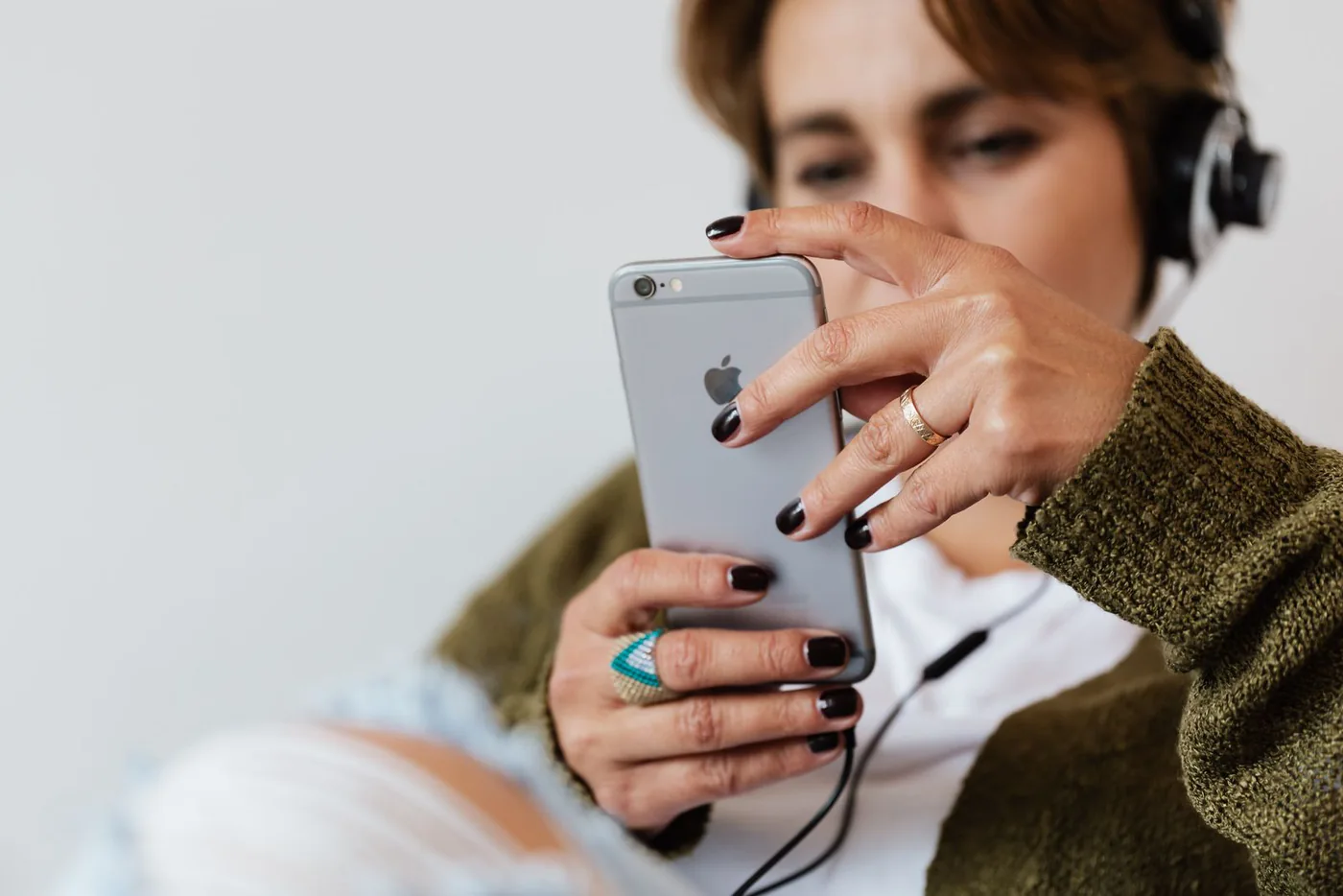
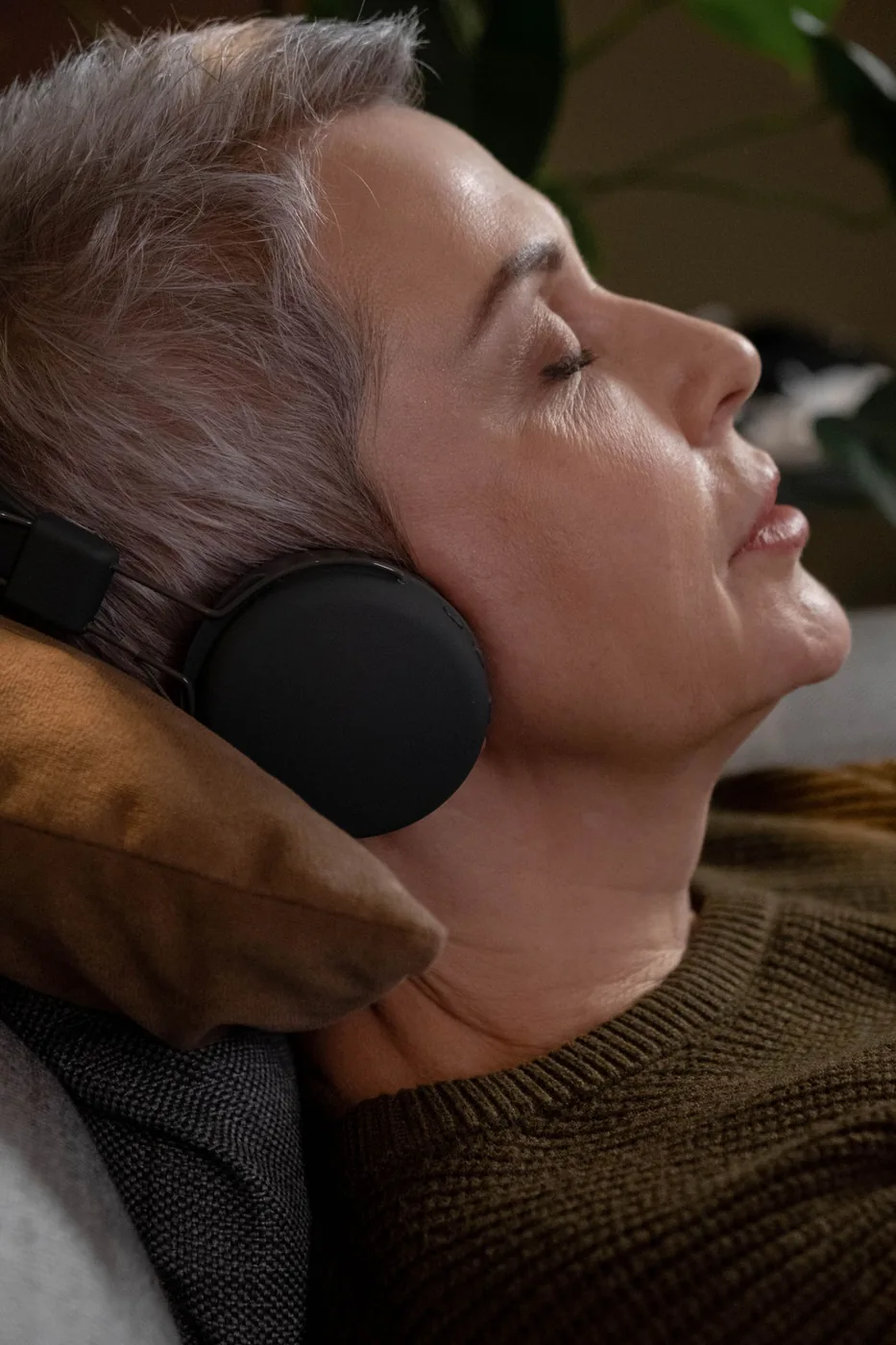
Ordinary earbuds or headphones may be comfortable for a seated chapter without being suitable for every sleeping position. A product photograph does not establish how it will feel against your ear or pillow. If you choose personal listening, follow the manufacturer's intended use and care guidance, and stop if it becomes uncomfortable. Do not treat a smaller shape as a guarantee of pressure-free wear. For a shared room, discuss the acceptable sound level before buying a speaker; for personal equipment, think through where it goes when listening ends. An easy storage spot reduces the chance of losing a small earbud in bedding.
Budget for the routine you will maintain
A premium room speaker may be unnecessary if you only play a quiet spoken chapter at bedtime. It can make more sense when it also serves daytime music in the same room. Count any subscription, account, or accessory needed for your preferred content before comparing the total cost. Avoid buying a second ecosystem solely because one advertised feature sounds appealing. If your current household already understands a compatible speaker system, staying with it may reduce friction. Spend on a clear practical improvement and skip extras that add bright screens, unfamiliar controls, or another app you do not want.
Our buying direction
Compare a Sonos-compatible setup when its documented timer and your preferred services fit the routine, or HomePod mini when compatible Apple devices and their controls already feel familiar. Verify current requirements rather than assuming either is universal. Begin with a modest listening level, choose a stopping time, and confirm everyone sharing the room is comfortable with the plan. After a week, judge the setup by how easy it is to start and put away. The useful outcome is an uncomplicated evening ritual, not a larger collection of bedside electronics or a claim that a speaker can solve a sleep problem.
Where to start looking
These are starting points for comparison, based on manufacturers’ published information. Check the exact version, compatibility, current availability, price, and return terms before ordering. Manufacturer links below are ordinary links unless specifically labeled as affiliate.
Sonos timer-compatible setup
Start with the timer instructions if you already use a compatible Sonos system.
The tradeoff: Confirm the current app, content service, and speaker suit the intended routine.
Manufacturer details ↗Apple HomePod mini
Compare for a room already using compatible Apple devices and controls.
The tradeoff: Check setup requirements and whether room audio suits everyone sharing the space.
Manufacturer details ↗A few things you might be wondering
Do I need a special sleep speaker?+
Not necessarily. Try your existing compatible device and a stopping timer before buying another product.
Can this setup improve insomnia?+
This guide makes no medical or sleep-treatment claim. It addresses equipment choice, shared-room preferences, and a manageable listening routine.
Sources & editorial notes
Manufacturer and primary-source information checked October 23, 2026. Buying advice reflects our editorial interpretation. Features and regional options can change.
See our editorial policy or request a correction.